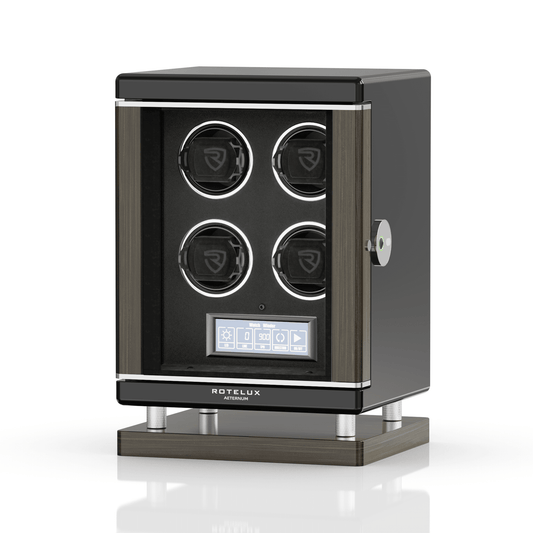
How to Use a Watch Winder Correctly: Settings, Turns Per Day & Storage Tips
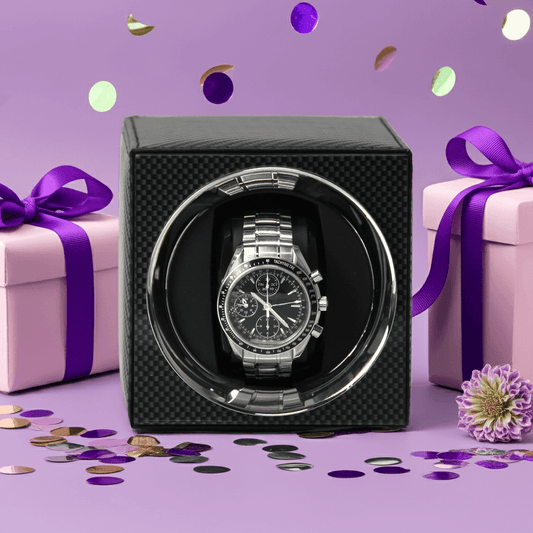
A watch winder is not simply a display accessory; it is a quiet caretaker for automatic movements. It keeps the rotor in gentle motion, ensuring the lubricants inside remain evenly distributed. When collectors own more than one self-winding watch, a winder becomes a way to keep them ready for wear without constant resetting. Still, the goal is balance, not endless spinning.
Preparing the Watch Before Placing It in the Winder
Even the best winder cannot revive a completely stopped watch on its own. Always start with a few manual turns of the crown, just enough to awaken the mainspring. Then secure the watch firmly on the holder, making sure the strap or bracelet does not compress unnaturally. When the rotation begins, listen for any unusual noise or vibration; a well-tuned winder should be nearly silent.
How to Store and Position Your Winder
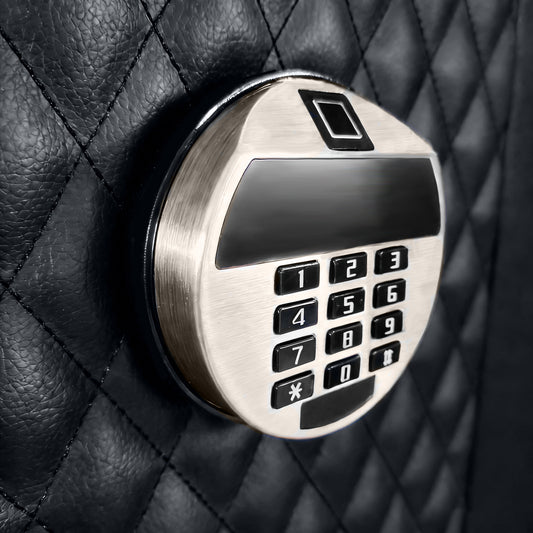
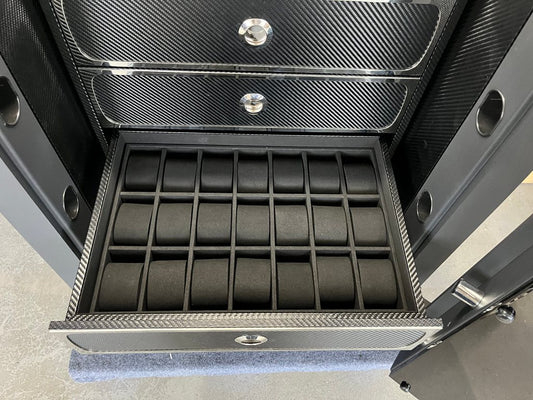
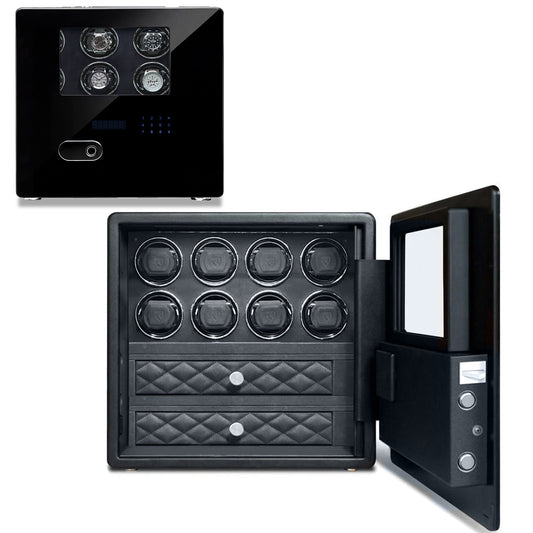
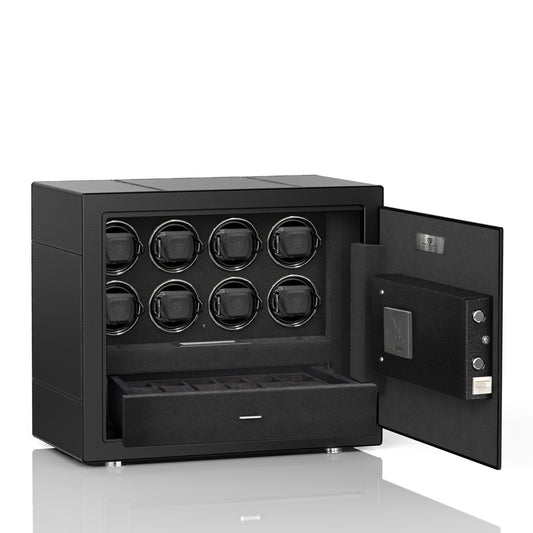
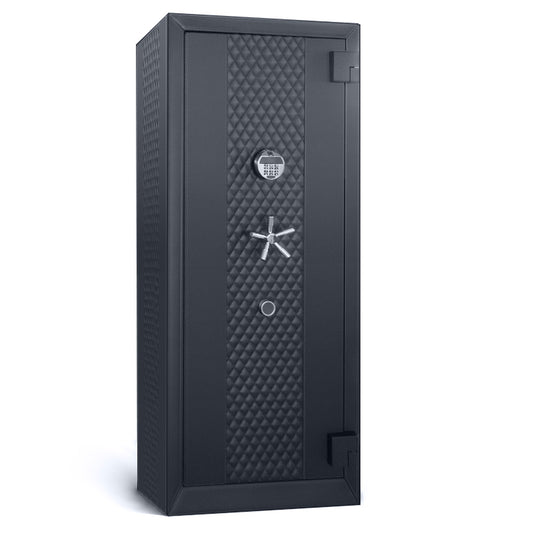
A winder performs best in a stable, dry environment. Avoid direct sunlight, high humidity, or proximity to magnetic sources such as speakers. Some collectors like to keep their winders inside safes or cabinets, but remember that air circulation and temperature consistency are just as important as security.
When not in use for long periods, unplug the winder and clean the interior gently. This small routine prevents dust from building up in the rotation mechanism.
How Many Turns Per Day (TPD) Do You Need?
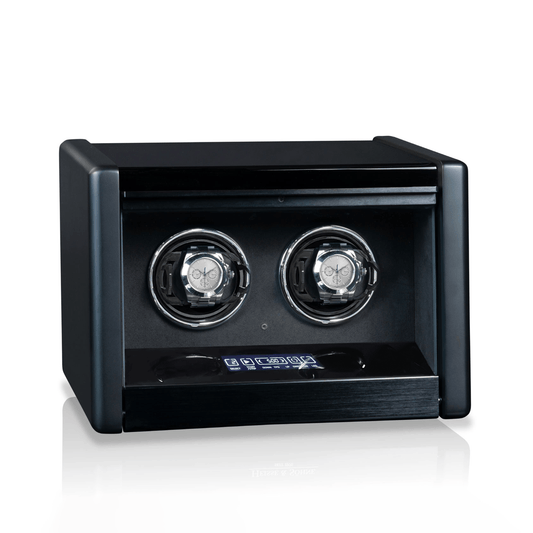
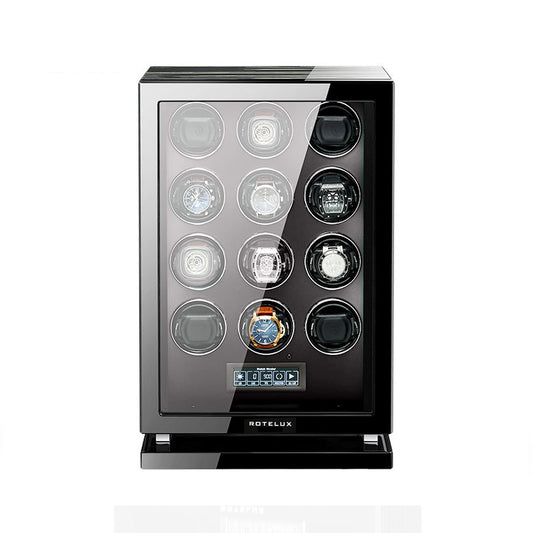
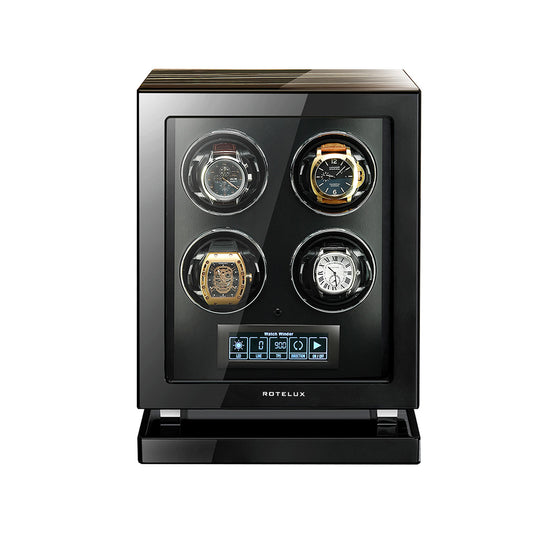
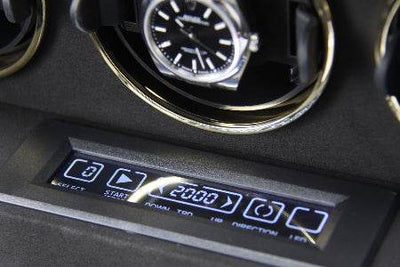
Most automatic watches require 500 to 1000 TPD. High-end luxury watch winder boxes let you customize the TPD and rotation direction, preventing overwinding or underwinding.
Many quality watch winders allow you to set the TPD manually. Consult your watch’s manual or check databases like Rotelux's TPD guide.
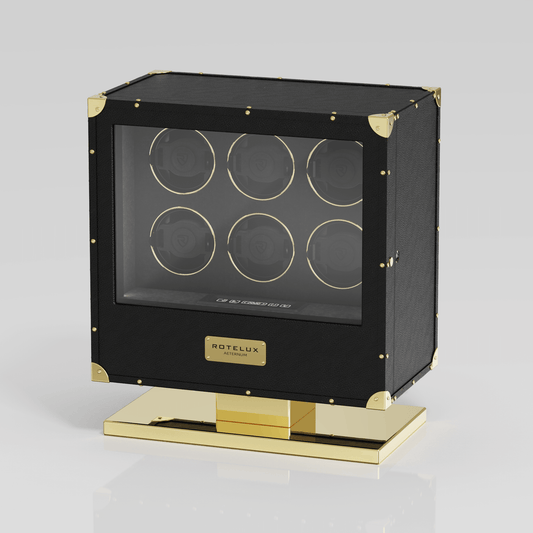
High-quality automatic watch winder boxes typically feature adjustable TPD (turns per day) settings. Brands like Rotelux, Wolf, and Orbita excel in this aspect when it comes to luxury watch winder boxes.
Practical Use from a Collector’s Perspective
In daily life, a watch winder should make your collection easier to enjoy, not turn into another device to manage. You may not need to keep every watch on a winder — only those worn regularly or featuring complex calendars that are tedious to reset. For vintage pieces, consider resting them periodically, since older movements can benefit from less frequent motion.
We have seen collectors in Hong Kong and Singapore using dual-mode winders inside humidity-controlled cabinets, while others in Europe prefer open display units to enjoy the aesthetic. Both approaches work, as long as the goal remains gentle preservation rather than constant mechanical exercise.
How Long Should a Watch Stay on a Winder?
You can safely leave your watch on a winder indefinitely—if the settings are correct. Still, it’s a good idea to let your watch rest occasionally. Mechanical parts benefit from some downtime just like any machine.
A high-quality winder box is built to run continuously, with pauses programmed to prevent overwinding.
Should the Watch Winder Always Stay On?
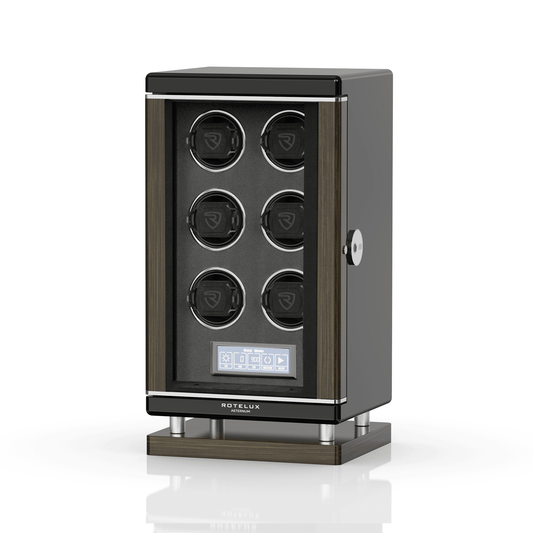
No. Most automatic watch winders run in cycles—rotating and pausing to mimic natural wear. Avoid continuous rotation. Choose a model with Intermittent rest operation., such as a Rotelux automatic watch winder box with programmable TPD and direction.
Storage Tips for Luxury Watches in a Winder
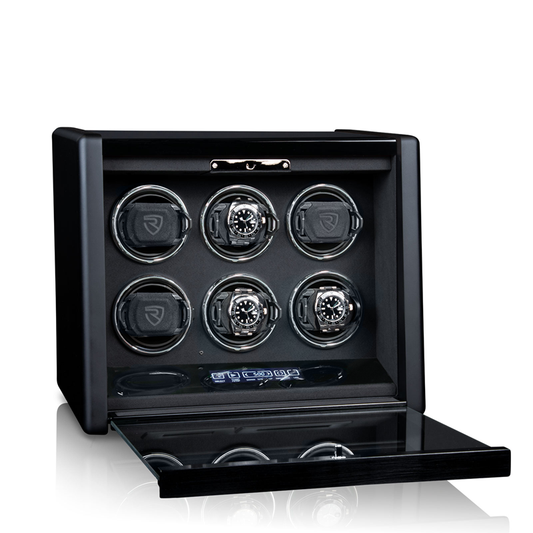
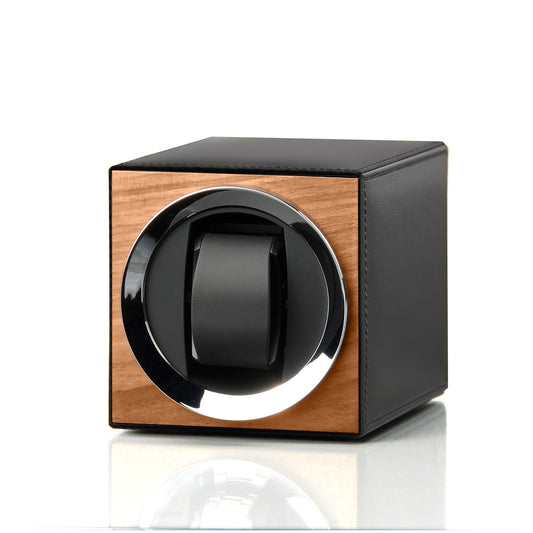
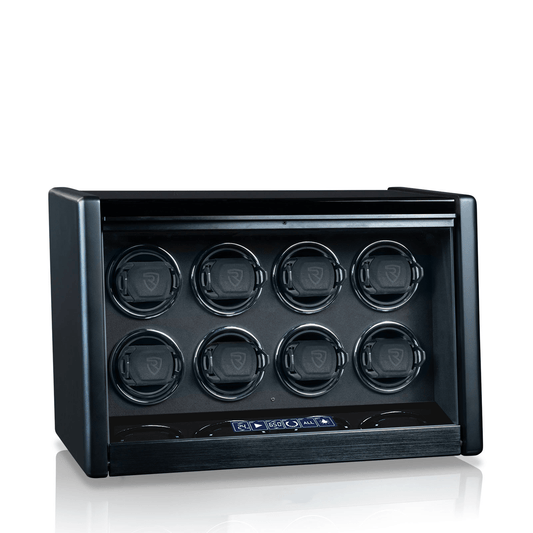
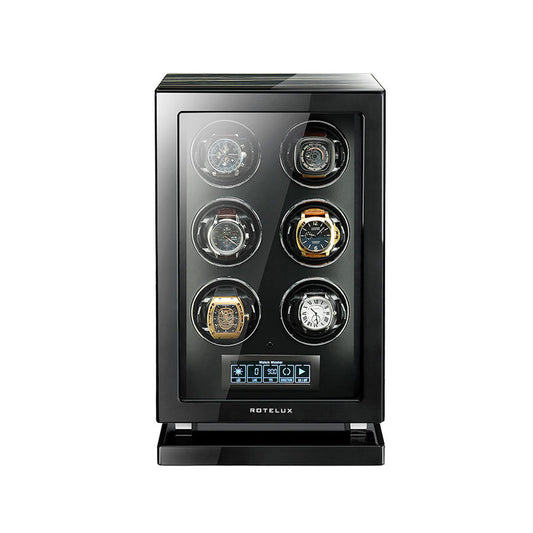
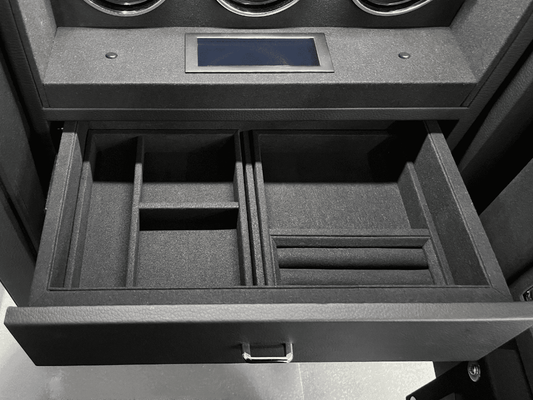
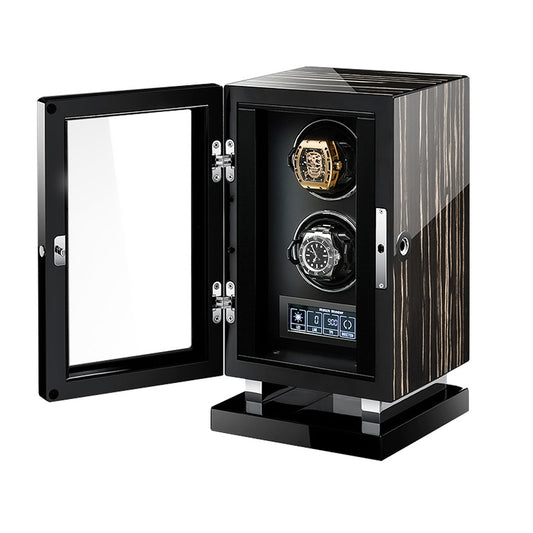
A winder is more than a machine—it's also a luxury automatic watch storage box. Make sure your box:
· Has soft cushions to hold the watch without pressure
· Provides UV protection to avoid dial fading
· Comes with quiet motors for bedroom use
· Is made of quality materials like wood or carbon fiber for long-term protection
Avoid cheap winders that lack speed control or torque calibration. A good watch winder box should complement the prestige of the timepiece inside.
Choosing the Right Watch Winder
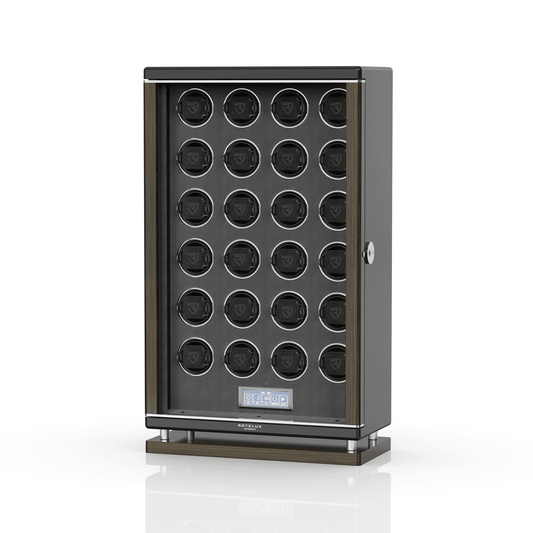
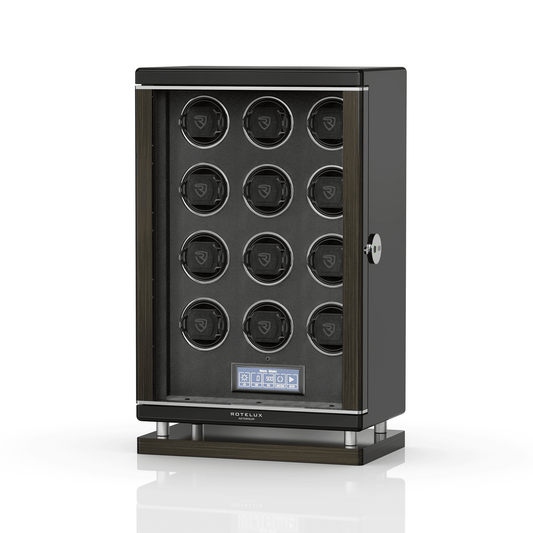
At a watch shop or authorized dealer, you may find OEM winders. But many premium brands specialize in luxury watch winder boxes tailored for automatic timepieces. Look for features such as:
· Adjustable TPD
· Bi-directional rotation
· Silent Japanese or German motors
· Power-saving sleep cycles
Whether you're storing a collection of luxury automatic watches, the right winder enhances both convenience and preservation.
Practical Use from a Collector’s Perspective
In daily life, a watch winder should make your collection easier to enjoy, not turn into another device to manage. You may not need to keep every watch on a winder — only those worn regularly or featuring complex calendars that are tedious to reset. For vintage pieces, consider resting them periodically, since older movements can benefit from less frequent motion.
We have seen collectors in Hong Kong and Singapore using dual-mode winders inside humidity-controlled cabinets, while others in Europe prefer open display units to enjoy the aesthetic. Both approaches work, as long as the goal remains gentle preservation rather than constant mechanical exercise.
Conclusion
Whether you’re running a watch store or own a few cherished luxury watches, understanding how to correctly use your watch winder ensures longevity and convenience. Look for high-quality winder boxes that are programmable, durable, and elegantly designed—just like the watches they protect.
Proper watch winder use is a subtle art — one that blends respect for engineering with understanding of wear habits. If you are exploring options to protect your automatic timepieces, we invite you to
Explore the Rotelux Watch Winder Collection